
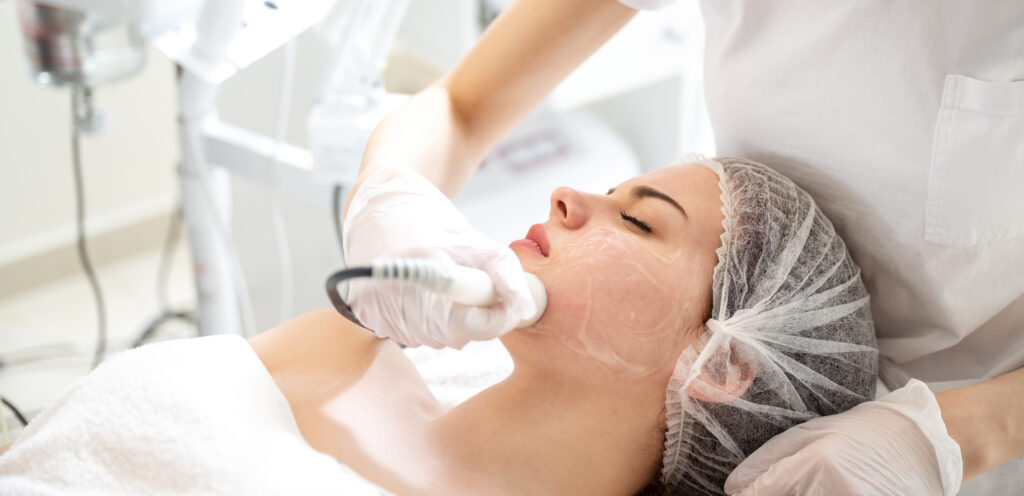
If you’ve struggled with acne, redness, or dark spots, you know how frustrating it can be. Ever tried every cream and still see no results? Or dealt with breakouts just before an important event? You’re not alone.
Here in Fort Worth, the sun is strong, stress is real, and skin challenges are common. That’s why getting medical-grade care can make a real difference. In this guide, we’ll talk about why your skin might be acting up, how professional care works, and what you can do at home to keep your skin looking healthy.
By the end, you’ll understand what works, why it works, and what to expect when you take the next step toward calmer, clearer skin.
Understanding Your Skin Challenges: Acne, Rosacea & Pigmentation
Acne isn’t just for teens. Adults deal with it too. You might see breakouts, blackheads, or leftover dark marks. Some people have tried every over-the-counter product out there and still get frustrated.
Rosacea shows up as redness, bumps, or visible tiny blood vessels. Hot drinks, the Texas sun, stress, or spicy food can all trigger flare-ups. Some days your skin is calm, and other days it’s bright red for no obvious reason. Sound familiar?
Pigmentation covers things like sun spots, melasma, or dark marks after acne. They often hang around long after the breakouts or sunburn. And in Fort Worth, with strong sunlight most of the year, pigmentation can be stubborn.
Why these conditions often overlap:
- Acne can leave dark spots behind.
- Rosacea can make your skin look uneven or blotchy.
- Sun exposure can worsen pigmentation and redness.
The takeaway: If your skin is acting up in multiple ways, treating only one issue rarely works. You need a plan that considers all your concerns.
Curious about your skin type? Schedule a consultation to see which approach fits you best. Check VIP Health Services
Why Medical-Grade Care Matters
Ever wonder why some creams or treatments don’t seem to work? The truth is, your skin might need stronger, targeted care.
Medical-grade means:
- Ingredients are stronger and backed by research
- Products are prescribed or recommended by professionals
- Treatments are tailored to your skin type
Active ingredients that help:
- Retinoids for acne
- Azelaic acid or tranexamic acid for redness and pigmentation
- Barrier-repair creams for sensitive skin
In-office treatments can include:
- Lasers or IPL for redness and pigmentation
- Microneedling for acne scars and texture
- Chemical peels for surface renewal
Here’s a little secret: what works at home is important, but combining it with professional treatment gets the best results.
Tip: Look for a provider who understands Fort Worth skin—someone who knows the sun, humidity, and common triggers here.
Want to see if this could work for your skin? Schedule a free consultation
How VIP Health Handles Acne, Rosacea & Pigmentation
Here’s how we help people in Fort Worth who are ready for real, lasting improvement.
Step 1: Skin Check
We start with a thorough look at your skin. Breakouts, redness, dark spots, and texture are all examined. Sometimes we use special imaging to see beneath the surface. This helps us understand exactly what your skin needs.
Step 2: Personalized Plan
Your treatment will combine:
- At-home medical-grade skincare
- In-office treatments like lasers, peels, or microneedling
- Lifestyle adjustments such as sun protection and trigger management
For example:
- Acne: We focus on active breakouts first, then fade marks and prevent new ones.
- Rosacea: Laser reduces redness and visible blood vessels, plus we guide you on avoiding triggers.
- Pigmentation: A mix of in-office sessions and brightening products can lighten dark spots over time.
Step 3: Maintenance & Support
You’ll continue home care and come in for follow-ups to keep your skin in balance. Regular check-ins help prevent flare-ups and keep results lasting.
Ever tried starting a treatment plan and stopping halfway? That’s why we emphasize small, consistent steps.
Ready to find your plan? Learn more about VIP Health treatments
What You Can Expect
Results don’t happen overnight, but most people start seeing improvement in 4–12 weeks.
What we track:
- Fewer breakouts and smoother texture
- Less redness and visible veins
- Lighter dark spots and more even skin tone
Example: A Fort Worth client came in with adult acne and leftover dark marks. After a combination of laser sessions and home care, her skin was calmer and more even in about four months. She said it was the first time she felt like her skin was under control.
Investment vs. Value: Professional care costs more than a drugstore cream, but it’s about lasting results and less frustration. You spend less time experimenting and more time seeing real progress.
Want to see if your skin could improve this way? Book a consultation
Choosing the Right Provider
Not all clinics are created equal. Here’s what to look for:
Credentials:
- Led by a licensed medical professional
- Experience treating acne, rosacea, and pigmentation
Facility:
- Safe, clean, Fort Worth-based clinic
- Personalized treatment plans
Questions to ask:
- How do you treat adult acne or rosacea?
- What’s your approach to pigmentation?
- What home care should I follow?
- How long until I see results?
Red flags:
- Overly fast promises like “clear skin in a week”
- One-size-fits-all treatments
- Lack of follow-up or guidance
Tip: Choose a clinic that educates you about your skin. Knowledge helps prevent flare-ups and keeps your skin healthy.
Curious about our team? Meet VIP Health providers
Taking Care of Your Skin at Home
Even the best treatments need support from home care.
Tips for home care:
- Use medical-grade products for acne, redness, or dark spots
- Always wear broad-spectrum sunscreen
- Follow a simple, consistent morning and night routine
Lifestyle matters too:
- Avoid triggers for rosacea like hot drinks or spicy foods
- Minimize sun exposure for pigmentation
- Adjust shaving or skincare habits to protect your skin
Maintenance visits help:
- Rosacea may need follow-up laser treatments
- Pigmentation checks prevent sun spots from returning
- Acne follow-ups prevent new breakouts
Simple changes make a big difference. Want help building a routine? Check VIP Health
Quick Takeaways
- Acne, rosacea, and pigmentation often overlap. Treat all areas, not just one.
- Medical-grade care works better than store products alone.
- Combination of professional treatments + home care gives best results.
- Fort Worth skin needs tailored plans because of sun and climate.
- Follow-up and routine matter for lasting results.
I followed tina here from her last place. She is an amazing injector. I won’t trust anyone else with my face. Her new space is super cute too, love the green and welcoming atmosphere.
-Kaylah C
FAQs
1. How long until I see results?
Most people notice improvements in 4–12 weeks, with full results in 3–6 months.
2. Can rosacea be cured?
No, but professional care can reduce redness and flare-ups. Ongoing maintenance is key.
3. Are men good candidates for acne or pigmentation care?
Yes. Men have different skin, and treatments are adjusted for shaving and sun exposure.
4. Can I combine treatments with home products?
Yes, when planned by a professional. The right sequence protects your skin and boosts results.
5. What happens if I skip home care?
You may see slower or temporary results. Home care is crucial for lasting improvement.
